Fast, Reliable Water Restoration When You Need It Most.


00
%Satisfied customers
MR. RESTORATION

Best Water Restoration in Las Vegas, NV
Mr. Restoration is a trusted leader in the restoration industry, offering expert services for water, fire, and mold damage. With a team of highly trained professionals, we’re dedicated to restoring homes and businesses quickly and efficiently. Whether it's an emergency or planned restoration, our 24/7 availability ensures rapid response to minimize damage and get your property back to its original condition. At Mr. Restoration, we combine advanced techniques and state-of-the-art equipment to deliver high-quality results, while providing compassionate support throughout the process. Your property’s restoration is our priority, and we’re committed to exceeding your expectations every step of the way.
-
Licensed, Bonded & Insured for Your Protection
-
Providing Free On-Site Inspection & Estimate
OUR SERVICES
We’re Providing Quality Restoration Services

WATER RESTORATION
Water restoration is the comprehensive process of repairing and restoring a property after water damage from events like floods, leaks, or burst pipes. It involves several key steps, starting with water extraction to remove standing water, followed by drying and dehumidification to eliminate residual moisture from walls, floors, and furniture. Once the property is dry, professionals assess any structural or material damage, performing necessary repairs or reconstruction. Mold prevention is also critical during water restoration, as moisture can lead to mold growth if not addressed promptly. The goal of water restoration is to fully restore the property to its pre-damage condition, ensuring it is safe, dry, and free of long-term moisture-related issues.
FIRE RESTORATION
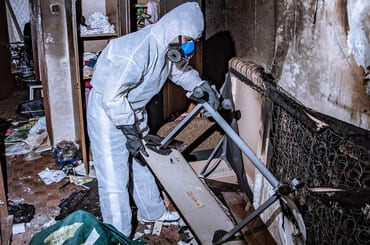
Fire restoration is the process of repairing and recovering a property after fire damage, ensuring it is safe and livable again. This comprehensive process involves several steps, starting with debris removal and a thorough assessment of the extent of fire, smoke, and soot damage. Fire restoration professionals then clean and deodorize the affected areas, removing soot and smoke residues that can cause further damage or lingering odors. Structural repairs are also a key part of fire restoration, addressing any damage to walls, ceilings, or floors. Additionally, advanced techniques are used to restore air quality by removing harmful particles left behind by the fire. The ultimate goal of fire restoration is to bring the property back to its pre-fire condition, ensuring it is safe, clean, and fully functional once more.
MOLD REMEDIATION
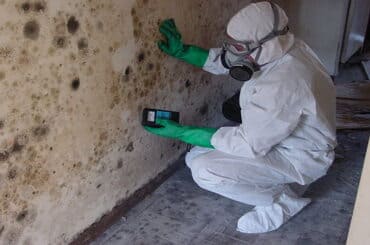
Mold remediation is the process of identifying, containing, and eliminating mold growth from a property to ensure a safe and healthy environment. Mold thrives in areas with excess moisture, such as after water damage or in humid, poorly ventilated spaces. During mold remediation, professionals first conduct a thorough inspection to locate mold, even in hidden areas like behind walls or under flooring. Once identified, the affected areas are carefully contained to prevent spores from spreading, and the mold is safely removed using specialized cleaning techniques. The surfaces are then treated to prevent future mold growth, and any underlying moisture issues are addressed. Mold remediation not only restores the property but also improves indoor air quality, protecting the health of occupants from mold-related allergens and respiratory risks.
Water Extraction
Water extraction is the critical process of removing standing water from a property after flooding, leaks, or other water-related incidents. It is the first and most urgent step in water damage restoration, as standing water can cause rapid deterioration of structures, encourage mold growth, and damage personal belongings. Professionals use specialized equipment such as high-powered pumps, vacuums, and extraction tools to quickly remove large volumes of water. By addressing the water removal immediately, the risk of further damage is minimized, and the property can begin the drying and restoration process. Water extraction not only prevents long-term issues but also helps return the affected area to a safe and dry condition as quickly as possible.
Drying + Dehumidification
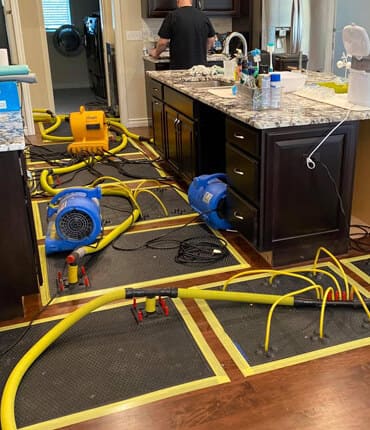
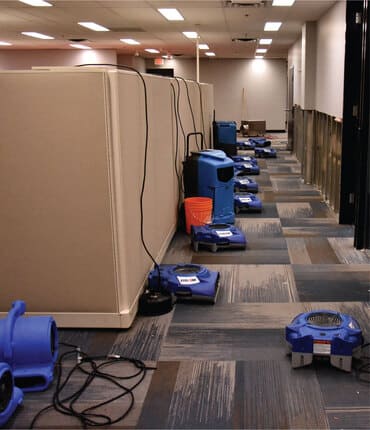
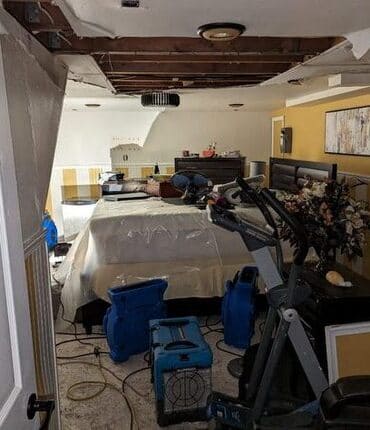
Drying and dehumidification are essential steps in the water damage restoration process that follow water extraction. Once standing water has been removed, moisture can still linger in walls, floors, and other materials, which can lead to structural damage, mold growth, and deterioration. Professionals use industrial-grade air movers, fans, and dehumidifiers to remove this trapped moisture. The goal is to dry out affected areas thoroughly and regulate humidity levels to prevent future damage. Continuous monitoring ensures that moisture is fully eliminated from hidden spaces, making the property safe, stable, and ready for repairs or reconstruction. Proper drying and dehumidification are critical to preventing long-term damage and restoring the property to its pre-damage condition.
Moisture Detection
Moisture detection is a crucial part of the water damage restoration process, ensuring that all hidden moisture within walls, floors, ceilings, and other structural areas is identified and addressed. Even after visible water has been removed, moisture can remain trapped in materials, leading to long-term damage like mold growth, rot, and weakening of the structure. Professionals use specialized tools such as moisture meters, infrared cameras, and thermal imaging devices to detect areas with excess moisture that aren’t easily visible. By locating these moisture pockets, the restoration team can target their drying efforts more effectively, ensuring the property is thoroughly dried and safe from future issues. Proper moisture detection prevents ongoing damage and helps in the complete restoration of the property.
Structural Drying
Structural drying is a vital step in the water damage restoration process that focuses on removing moisture from the core structural components of a building, such as walls, floors, and ceilings. After water exposure, these materials can absorb significant amounts of moisture, which can lead to long-term issues like warping, rot, and mold if not properly dried. Restoration professionals use high-powered air movers, industrial dehumidifiers, and specialized drying systems to accelerate the evaporation process, ensuring that moisture is thoroughly removed from these key structural areas. Continuous monitoring of moisture levels is also conducted to guarantee that no hidden dampness remains. Structural drying helps restore the integrity of the building, preventing further damage and ensuring that the property is safe and stable for occupancy.
Sanitizing + Deodorizing
Sanitizing and deodorizing are critical steps in the water or fire damage restoration process, ensuring that the property is not only clean but also free from harmful bacteria, mold, and unpleasant odors. After water damage, contaminants like bacteria and mold can develop, while fires leave behind smoke and soot residues that cause strong, lingering odors. Restoration professionals use powerful disinfectants and antimicrobial treatments to sanitize all affected surfaces, eliminating health hazards. For deodorizing, advanced techniques such as thermal fogging, ozone treatments, and air scrubbers are used to neutralize odors at the molecular level, ensuring that the air is fresh and clean. These processes are essential for restoring a safe, healthy, and pleasant living environment after a disaster.
Repairs + Reconstruction
Repairs and reconstruction are the final stages of the water or fire damage restoration process, focusing on restoring the property to its pre-damage condition. After the cleanup, drying, and sanitizing phases, restoration professionals assess the structural damage and determine which areas need repair or rebuilding. This can involve replacing damaged drywall, flooring, ceilings, and even structural elements like beams or roofing. The reconstruction process also includes cosmetic repairs, such as repainting and restoring cabinetry, to return the property to its original look and feel. By addressing both structural and aesthetic damage, repairs and reconstruction ensure the property is safe, functional, and fully restored, giving homeowners or businesses peace of mind.
Sewage Cleanup
Sewage cleanup is a specialized and urgent service required when water damage involves contaminated water from sources like sewage backups, toilet overflows, or wastewater spills. Sewage water contains harmful bacteria, viruses, and toxins that pose serious health risks, making professional cleanup essential. Restoration teams use protective gear and advanced equipment to safely remove the sewage, disinfect the affected areas, and eliminate odors. The process also includes thoroughly drying the space to prevent mold growth and structural damage. Due to the hazardous nature of sewage, professional handling is critical to ensure the property is thoroughly cleaned, sanitized, and restored to a safe condition.
Basement + Crawl Space Drying
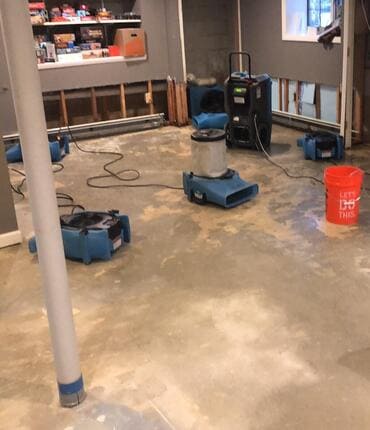
Basement and crawl space drying is an essential step in the water damage restoration process, as these areas are highly susceptible to flooding, leaks, and moisture buildup. Due to their low-lying position, basements and crawl spaces often trap water, leading to potential structural damage, mold growth, and compromised air quality. Professionals use powerful pumps to remove standing water, followed by industrial dehumidifiers and air movers to thoroughly dry out the space. By addressing hidden moisture and improving ventilation, basement and crawl space drying prevents long-term damage, protects the foundation of the property, and ensures these often-overlooked areas are safe and dry. Proper drying is key to avoiding future problems like mold infestations or structural weakening.
Leak Detection + Repair
Leak detection and repair are crucial services in preventing water damage and maintaining the integrity of a property. Hidden leaks, whether from plumbing, roofing, or foundation issues, can cause significant damage over time if not detected early. Professionals use advanced tools like moisture meters, infrared cameras, and thermal imaging to identify leaks in hard-to-reach areas, such as behind walls or under floors. Once located, immediate repair is performed to prevent further water intrusion and damage. Timely leak detection and repair not only stop existing damage but also help protect the property from future issues like mold growth, structural deterioration, and increased water bills.
TESTIMONIALS
What Our Customers Say
Scott Driscoll
Las Vegas, NV
"Dealing with water damage is never fun, but Mr. Restoration made the experience as painless as possible. They were incredibly responsive and worked fast to get my home back to normal. Their professionalism and attention to detail were top-notch!"
Wanda Nakano
Henderson, NV
"When my basement flooded, I was worried about the extent of the damage. Mr. Restoration came highly recommended, and they did not disappoint. Their team was quick, knowledgeable, and ensured every inch of water was removed. I’m so happy with the results!"
Anissa Cruz
Las Vegas, NV
"I couldn't be happier with Mr. Restoration's water restoration service. They arrived within an hour of my call, quickly assessed the damage, and got to work. Their team was friendly and professional, making sure everything was dried out and restored perfectly!"
Gilbert Mills
Las Vegas, NV
"Mr. Restoration truly saved my home! After discovering water damage in the walls, they immediately responded and took care of the situation. Their attention to detail and quality of work were amazing. I highly recommend them for any water restoration needs!"
John Colvard
Las Vegas, NV
"We discovered mold in our basement and called Mr. Restoration. Their team was quick to respond, thoroughly inspected the area, and removed the mold safely. They even gave us tips to prevent it from happening again. Excellent service!"
Susan Bright
Las Vegas, NV
"I couldn’t believe how much smoke damage was left after a fire in our garage. Thankfully, Mr. Restoration was there to help. They handled the entire restoration process, from cleanup to repairs, and the results were amazing. Highly recommend them!"
Kelsey Richard
North Las Vegas, NV
"When our basement flooded, we didn’t know where to turn. Luckily, we found Mr. Restoration. Their team was prompt, courteous, and got our basement back in shape in no time. They took the stress out of a difficult situation!"
Irene Lowe
North Las Vegas, NV
"Mr. Restoration did an incredible job after our fire incident. The team was quick, efficient, and very understanding of our situation. They repaired the fire damage and left our home looking like new. We couldn’t have asked for better service!"
Andrew Kim
Las Vegas, NV
"Mr. Restoration is simply the best. They provided exceptional water restoration services after a burst pipe caused significant damage to my home. Their team was thorough, professional, and made sure everything was dried out and restored properly."
Thelma Welch
Henderson, NV
"From start to finish, Mr. Restoration exceeded my expectations. They were quick to respond when we had water damage in our kitchen, and their team worked tirelessly to restore everything. Great communication and excellent work!"
NathanPierce
Henderson, NV
"Mold was causing health issues in our home, and Mr. Restoration took care of it immediately. Their team was friendly, efficient, and ensured all the mold was removed without leaving any trace behind. Great experience with them!"
Grace Hagans
Las Vegas, NV
"Mr. Restoration is simply the best. They provided exceptional water restoration services after a burst pipe caused significant damage to my home. Their team was thorough, professional, and made sure everything was dried out and restored properly."
Steven Chan
Las Vegas, NV
"After dealing with a leaky roof, we had mold spreading in the walls. Mr. Restoration’s team came in, assessed the damage, and handled the mold removal perfectly. They were professional and left everything looking good as new!"




Need Water Restoration?