Fast, Reliable Water Restoration When You Need It Most.
Residential & Commercial
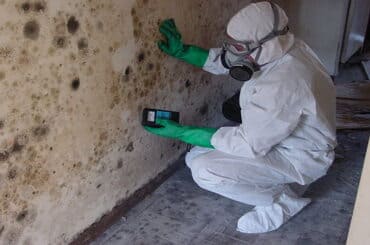
Mr. Restoration offers reliable mold removal services in North Las Vegas, protecting your home from the harmful effects of mold. Our skilled team uses advanced techniques to quickly detect, contain, and eliminate mold, ensuring a safe and healthy living environment. Whether it's due to moisture buildup or hidden leaks, we tackle mold problems efficiently, restoring your home and peace of mind. Trust Mr. Restoration for fast and effective mold remediation.
Satisfied customers
MR. RESTORATION
Mr. Restoration provides comprehensive mold inspection and testing services in North Las Vegas to ensure your home remains free from hidden mold threats. Our experienced technicians use advanced tools to thoroughly assess your property for any signs of mold growth, even in hard-to-reach areas. With our detailed inspection process, we identify the source of moisture contributing to mold development, offering you peace of mind and a clear action plan for remediation if needed. Once mold is detected, our expert team conducts accurate mold testing to determine the type and extent of contamination. This crucial step ensures we tailor the remediation process to your specific situation, preventing further spread and health risks. With Mr. Restoration, you can trust our reliable mold inspection and testing services to protect your home and family from harmful mold exposure.
Licensed, Bonded & Insured for Your Protection
Providing Free On-Site Inspection & Estimate
OUR SERVICES
Mold remediation is the process of thoroughly removing mold and addressing the underlying causes to prevent future growth. It involves identifying the source of moisture, containing the affected areas, safely removing mold, and cleaning or replacing contaminated materials. Professional mold remediation ensures that all mold spores are eliminated, protecting your property from structural damage and your health from potential respiratory issues and allergies. By tackling the problem at its root, mold remediation restores your home to a safe and healthy environment.
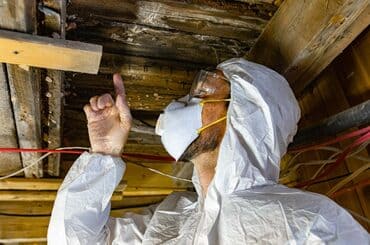
Mold inspection is a crucial step in identifying mold growth and determining the extent of its presence in a property. During a mold inspection, professionals thoroughly examine areas where mold is likely to thrive, such as basements, attics, bathrooms, and other moisture-prone spaces. Using specialized tools like moisture meters and thermal imaging, they can detect hidden mold behind walls, under flooring, or inside air ducts. A comprehensive mold inspection not only identifies visible mold but also uncovers hidden mold that could pose long-term health risks and cause structural damage. By accurately assessing the situation, mold inspectors provide homeowners with a clear understanding of the mold problem and recommend the best course of action for removal and prevention.
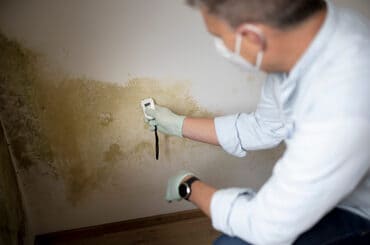
Mold testing is the process of analyzing air and surface samples to determine the presence and type of mold in your home or business. This step is essential for assessing the extent of mold contamination and identifying specific mold species that could pose health risks. Professional mold testing involves collecting samples from areas where mold is suspected or where moisture problems are common. These samples are then sent to a lab for detailed analysis. Mold testing provides crucial data that guides the remediation process, ensuring that the mold is effectively removed and preventing future growth.
Mold removal involves the safe and thorough elimination of mold from your home or business to prevent health issues and property damage. It requires professional expertise to ensure that mold is completely removed, as simply cleaning visible mold may not address the underlying problem. Mold removal specialists identify the source of moisture that caused the mold growth, contain the affected area, and use specialized equipment to remove mold spores from the air and surfaces. Effective mold removal restores your space to a healthy environment, ensuring the mold does not return.
Water restoration is the process of restoring a property after water damage, whether caused by flooding, leaks, or burst pipes. This comprehensive service involves water extraction, drying, dehumidification, and sanitization to prevent further damage and mold growth. Professional water restoration teams use advanced equipment to remove excess water and thoroughly dry affected areas, protecting the structure and contents of your home or business. Prompt water restoration minimizes damage, reduces the risk of long-term issues, and helps restore your property to its pre-damage condition.
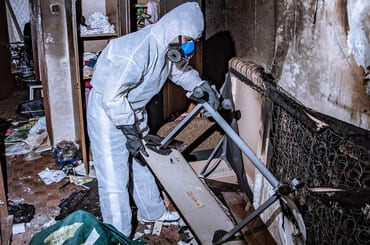
Fire restoration is the process of repairing and restoring a property after fire damage. This involves cleaning up soot and smoke residue, removing damaged materials, and addressing structural concerns. Fire restoration professionals use specialized equipment to deodorize, clean, and salvage as much as possible, while also ensuring the property is safe for future use. Beyond visible damage, fire restoration includes inspecting and repairing areas affected by smoke and heat, preventing long-term damage and ensuring the property is fully restored. Quick and professional fire restoration is essential to getting your home or business back to normal after a fire.
TESTIMONIALS
North Las Vegas, NV
"I had no idea how extensive our mold problem was until the remediation team arrived. They handled everything with precision, and the results were incredible. It feels like we're living in a new house now!"
Las Vegas, NV
"We called for a mold inspection after noticing a musty smell, and the technician was amazing. They thoroughly checked every corner and gave us a clear report with photos. It turns out we had mold in hidden areas, and I'm glad we caught it early!"
North Las Vegas, NV
"The mold removal service we received was fantastic! The team was fast, professional, and thorough. They cleared out every last bit of mold and even provided tips to prevent it from returning. I feel much safer in my home now!"
North Las Vegas, NV
"The mold testing service was very professional. They explained every step and provided detailed lab results that identified the exact type of mold in our home. This made the remediation process much smoother and more effective."
North Las Vegas, NV
"After weeks of dealing with allergies, we discovered mold in our bathroom. The removal team came in and completely eradicated the problem. Their attention to detail and care for our home was top-notch!"
North Las Vegas, NV
"The mold remediation process was handled expertly by this company. They sealed off the affected areas, removed the mold safely, and even fixed the moisture issue that caused it. I’m so glad we chose them!"
North Las Vegas, NV
"The mold inspection was incredibly thorough. They didn’t just inspect the obvious places but also checked behind walls and under flooring. They found mold we didn’t even know about, and now we’re on our way to a healthy home again!"
North Las Vegas, NV
"We had severe mold damage in our basement, but the remediation service we received was incredible. They not only removed the mold but also took care of the underlying moisture issue to ensure it doesn’t come back. I’m extremely satisfied with their work!"
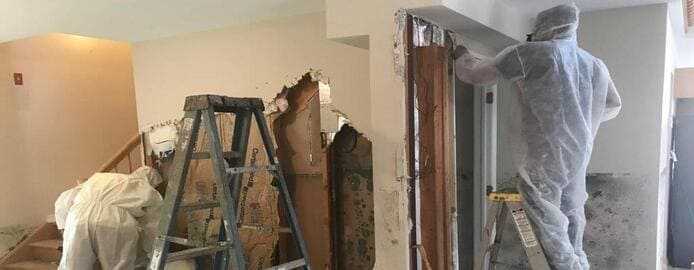
If you live in North Las Vegas, you might assume that the dry desert climate would protect your home from mold. Unfortunately, mold can still thrive in indoor spaces, especially when moisture and humidity levels are higher than usual. Whether it’s from a leaky pipe, poor ventilation, or unexpected flooding, mold can quickly become a significant problem. In this guide, we’ll cover everything you need to know about mold removal, mold remediation, mold inspection, and mold testing in North Las Vegas, NV.
Mold is more than just an unsightly stain on your walls or ceiling—it’s a living organism that can cause damage to both your home and your health. Let’s break down the basics of mold.
What is Mold?
Mold is a type of fungus that grows in moist environments. It spreads by releasing spores into the air, which can attach themselves to various surfaces in your home. Given the right conditions—warmth, moisture, and food (like wood, drywall, or even dust)—mold can grow rapidly.
Why is Mold Dangerous?
Mold exposure can lead to health issues, particularly for people with allergies, asthma, or weakened immune systems. Mold spores can cause respiratory problems, skin irritation, and even more severe reactions like neurological symptoms if not addressed promptly.
Common Types of Mold in North Las Vegas Homes
Different types of mold can appear in homes. Here are the most common types:
Black Mold
Black mold, or Stachybotrys, is infamous for its toxic spores. It thrives in damp environments and is considered hazardous because of its ability to cause severe health issues, especially respiratory problems.
Green Mold
Often found on surfaces like walls or ceilings, green mold is less dangerous than black mold but can still cause allergic reactions and respiratory symptoms if not removed.
White Mold
White mold is tricky to spot as it blends in with light-colored surfaces. It’s often found in basements, crawl spaces, and areas with water leaks. While not as harmful as black mold, it can still trigger allergic reactions.
While North Las Vegas is part of a desert region, homes in the area can still fall victim to mold growth. Here’s why:
Desert Climate and Indoor Humidity
Even though North Las Vegas has a dry outdoor climate, indoor spaces can still be prone to humidity. Showers, cooking, and even HVAC systems can introduce moisture into the air, creating conditions where mold can thrive.
Water Leaks and Plumbing Issues
Leaky pipes, faucets, or roofs are common culprits of mold growth. When water seeps into areas like walls or floors, it provides the moisture mold needs to grow.
Poor Ventilation
Homes with poor ventilation, particularly in areas like bathrooms, kitchens, and basements, can trap moisture. Without proper airflow, this moisture builds up, increasing the likelihood of mold growth.
How do you know if your home has a mold problem? Here are the warning signs to watch for:
Visible Mold Growth
If you can see mold on your walls, ceilings, or other surfaces, it’s a clear sign that mold removal is necessary.
Musty Odors
Even if you don’t see mold, a persistent musty smell is a tell-tale sign that mold is lurking somewhere in your home.
Allergy and Respiratory Symptoms
Mold spores can cause sneezing, coughing, wheezing, and itchy eyes. If you or your family experience these symptoms, particularly indoors, mold may be the cause.
Mold isn’t just unsightly; it’s dangerous for both your health and your home.
Health Risks of Mold Exposure
Prolonged exposure to mold can lead to chronic respiratory problems, especially in individuals with asthma or allergies. Mold can also irritate the skin, eyes, and throat, and in severe cases, cause neurological symptoms.
Structural Damage to Your Home
Mold can weaken the structure of your home by eating away at wood, drywall, and insulation. Over time, this can lead to costly repairs if not addressed.
Decreasing Indoor Air Quality
Mold releases spores into the air, which can degrade the overall air quality in your home. Poor air quality affects everyone but can be especially harmful to children, the elderly, and individuals with pre-existing health conditions.
Removing mold is a multi-step process that ensures your home is thoroughly cleaned and safe to inhabit.
Step 1: Mold Inspection and Assessment
A professional mold removal company will begin with a comprehensive inspection to identify the extent of the mold infestation. This includes checking for hidden mold in walls, ceilings, and under flooring.
Step 2: Containment of Mold
To prevent mold spores from spreading to other parts of the home, professionals will contain the affected areas using physical barriers and air filtration systems.
Step 3: Mold Removal and Cleanup
Next, the mold itself is physically removed. This may involve removing contaminated materials like drywall or carpet, followed by deep cleaning of the area with specialized antimicrobial treatments.
Step 4: Air Filtration and Dehumidification
Air filtration systems, such as HEPA filters, are used to remove airborne mold spores. Dehumidifiers may also be used to remove excess moisture from the air and prevent future mold growth.
Step 5: Restoration and Repairs
After the mold has been removed, any damaged areas of your home will be restored. This may involve repairing drywall, replacing carpets, or repainting walls.
Mold inspection and testing are important steps in identifying mold problems, especially if you can’t see the mold.
How Mold Inspections Work
During a mold inspection, professionals use tools like moisture meters and infrared cameras to detect mold behind walls, under floors, and in other hard-to-reach areas.
Mold Testing for Hidden Problems
Mold testing can help identify the specific type of mold present and measure the concentration of mold spores in your home’s air. This is particularly useful if you suspect a mold problem but can’t see it.
Professional Mold Assessment
A professional assessment will provide you with a detailed report of where mold is present and what steps need to be taken for remediation.
The cost of mold removal can vary depending on the extent of the infestation and the size of the affected area.
Factors That Affect the Cost
The main factors that influence the cost of mold removal include the size of the affected area, the type of mold present, and whether there is structural damage to your home.
Does Homeowners Insurance Cover Mold Removal?
In some cases, homeowners insurance may cover mold removal, particularly if the mold is a result of a covered peril like water damage from a burst pipe. However, mold caused by neglect or poor maintenance is typically not covered.
Mold removal and remediation are essential for maintaining a healthy, safe, and structurally sound home. If you suspect mold in your North Las Vegas home, it’s crucial to act quickly by contacting a professional mold removal company. With proper mold inspection, testing, and remediation, you can ensure that your home is mold-free and protected against future infestations.
These FAQs should provide clear and concise answers to common questions:
You may have a mold problem if you notice visible mold growth, experience persistent musty odors, or see signs of water damage like discoloration on walls or ceilings. In some cases, mold is hidden behind walls or under flooring, and you might experience unexplained allergy symptoms, such as coughing, sneezing, or respiratory irritation when indoors.
For small areas (under 10 square feet) of mold on non-porous surfaces, DIY removal is often possible using household cleaners and protective gear. However, for larger mold infestations, or when mold is growing on porous materials like drywall or wood, it’s best to hire a professional to ensure thorough removal and to prevent it from spreading.
The length of the mold removal process depends on the size of the affected area and the extent of the damage. Minor mold issues may take one to two days to resolve, while more extensive mold removal and restoration can take several days or even a week. Larger, more complex jobs may involve tearing out and replacing materials like drywall or carpeting.
Mold exposure can cause a range of health problems, especially for those with allergies, asthma, or compromised immune systems. Common symptoms include coughing, wheezing, sneezing, skin irritation, itchy eyes, and nasal congestion. Prolonged exposure to toxic molds, such as black mold, can lead to more severe respiratory issues and, in extreme cases, neurological symptoms.
If you suspect hidden mold, it’s essential to schedule a professional mold inspection and testing. Experts use specialized equipment, such as moisture meters and infrared cameras, to detect mold in areas that are not visible, like behind walls or under floors. Addressing hidden mold early can prevent serious structural damage and health risks.
Mold removal may be covered by homeowners insurance if the mold growth is a result of a covered peril, such as water damage from a burst pipe or storm. However, mold caused by neglect, poor maintenance, or long-term issues like high humidity may not be covered. It’s important to check your policy details and consult with your insurance provider to determine coverage.
The cost of mold removal can vary widely depending on factors like the size of the affected area, the type of mold, and whether there is structural damage. On average, mold remediation can cost anywhere from $500 for small jobs to $6,000 or more for extensive infestations. If you catch mold early, you can save on the overall cost.
To prevent mold from returning, it’s essential to control moisture in your home. Here are some key steps:
Professional mold removal involves several key steps:
Yes, when handled by professionals, mold removal is safe for both your family and pets. Reputable mold removal companies use protective measures and non-toxic cleaning solutions to ensure that the process is safe and thorough. However, it may be recommended to stay away from affected areas during the mold removal process to minimize exposure to airborne spores.